
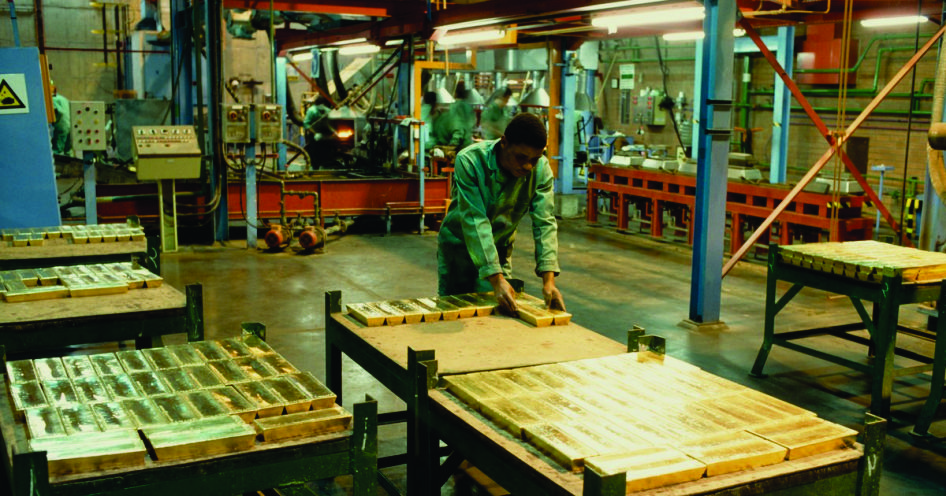
That is the central finding of a new report by the Africa Finance Corporation, which estimates that Africa hosts over $5 trillion in gold at mine-site value, including more than $1 trillion that remains undeveloped. The study argues that, if properly managed, these reserves could strengthen external buffers, stabilise currencies, and accelerate industrial growth across resource-rich economies.
Gold prices have surged by roughly two-thirds over the past year, peaking above $5,000 an ounce, reinforcing the metal’s role as a safe-haven asset amid geopolitical tensions and financial volatility. Analysts at the Brookings Institution note that renewed political uncertainty in Washington and broader global instability have further cemented gold’s appeal.
For African policymakers facing chronic foreign exchange shortages and volatile capital flows, the timing is significant.
“Unlike most minerals, gold combines deep liquidity, transparent pricing, and rapid monetisation, enabling countries to convert domestic production directly into reserves rather than relying on volatile external inflows”.
Despite vast deposits, gold currently accounts for just $70 billion of Africa’s external reserves, about 15 per cent of total foreign exchange holdings. The corporation argues that this gap represents a strategic opportunity. Rather than exporting raw output and relying primarily on taxes and royalties, governments could leverage gold to deepen domestic value addition, support regional integration, and anchor industrial ecosystems.
Ghana offers a test case. In 2025, the West African nation established a Gold Board, known as GoldBod, as the sole authorised body to license traders in gold, diamonds, and other precious ores. The move formalised artisanal and small-scale production, curbed smuggling, and improved fiscal oversight.
The results have been striking: Ghana has rebuilt its gold reserves after they were nearly depleted in 2022 and now holds the largest official stockpile in sub-Saharan Africa. Gross international reserves have climbed above $10 billion, and the cedi appreciated by 41 per cent in 2025, the strongest performance of any currency globally that year.
The shift is global. Advanced economies still hold the bulk of official gold reserves, but most recent purchases have come from emerging markets. Countries aligned with China and Russia have accelerated gold accumulation since late 2021, a trend that intensified after the G7 froze Russia’s foreign exchange reserves following its invasion of Ukraine. Moscow responded by ramping up gold purchases, while China has emerged as one of the largest buyers in recent months.
Source: Africabusinessinsider