
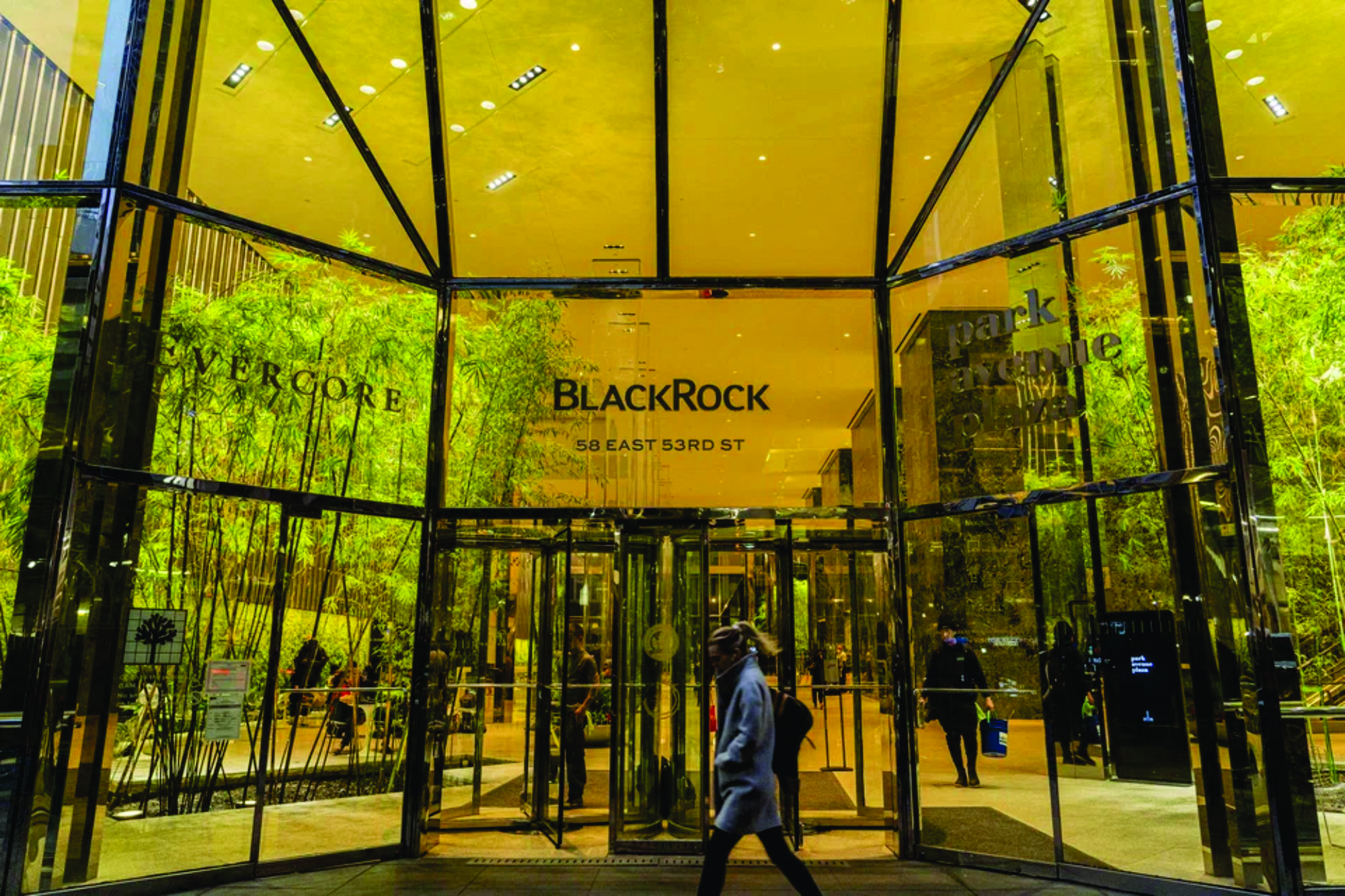
The war in Iran. A lot of worries are hitting the US$1.8 trillion private credit market at the same time, setting off a scramble by some investors to withdraw money from the industry’s giants. In recent weeks, funds managed by firms such as Apollo Global Management, BlackRock and Ares Management have faced unprecedented requests for redemptions – and, in many cases, have exercised their right to block investors from getting all their money out.
Here’s a guide to what’s happening in the private credit market and why it’s rattling nerves on Wall Street.
What is private credit?
“Private credit” doesn’t have one set definition. It’s an umbrella term referring to a handful of debt investment strategies. It’s “private” because unlike traded forms of debt, where banks are typically involved in arranging the transactions, the details are often invisible to anyone not connected to the deals.
Most of the funds facing redemption requests are actually in a subset of private credit known as direct lending, where investment firms lend money to riskier, typically privately owned companies. Investors are attracted to these deals because they offer high yields, in exchange for taking on more risk.
Why are we hearing so much lately about private credit?
Jitters first began in the latter half of 2025. Big blowups at privately owned companies First Brands Group and Tricolor Holdings, while only tangentially related to private credit, spooked investors in general about the credit sector and what other problems could be lurking beneath the surface.
Meanwhile, private credit’s outsized exposure to software companies, which up until recently had been considered a relatively safe and lucrative bet, also began to cause concern. Investors are worried that these businesses will lose revenue as customers turn to cheaper artificial intelligence (AI)-based services. While there is little sign of that happening so far, many investors want out now.
Source: Businesstimes