
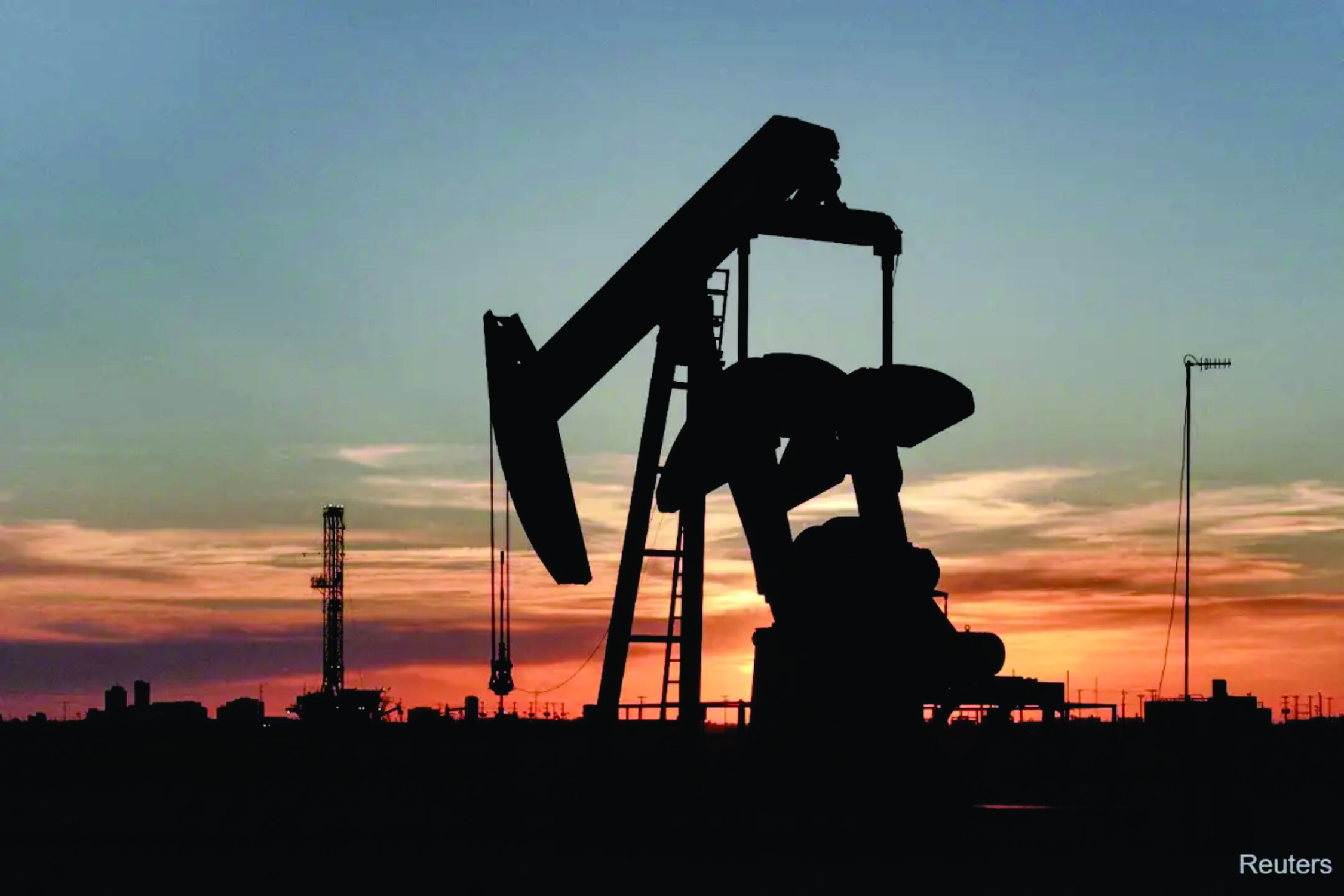
As Big Oil executives gathered this week and discussed the biggest-ever disruption to global energy supplies due to the war in Iran, there was one impact they did not address publicly: the multibillion-dollar windfall they will make because of soaring prices for the energy they sell.
Global benchmark Brent crude has so far averaged around US$97 (RM388.78) per barrel in March, up 33% from the US$69 average in February and even more from US$65 in January. The US-Israeli war on Iran that started on Feb 28 has halted a fifth of the world’s supply that passes through the Strait of Hormuz waterway. Natural gas prices in some parts of the world have risen even more.
The situation could resemble 2022, when Big Oil broke records for profit after Russia’s February invasion of Ukraine rocked energy markets. That year, oil companies rewarded shareholders with record dividends and share repurchases. Public outrage sparked calls for windfall-profit taxes.
“The first quarter is going to be phenomenal for these companies. I don’t think there’s any way around that,” said Leo Mariani, a senior research analyst at Roth Capital Partners.
US shale producers and other companies without major operations in the Middle East should gain the most, benefitting from higher prices without costs associated with shut-in production, stranded tankers or expensive repairs to war-hit facilities. Still, executives said the big profits will probably not boost their planned capital spending on new production.
Chevron, Shell, Exxon Mobil stand to make billions
In the past month, six analysts covering Chevron revised their projections for the US oil major’s first-quarter per-share earnings, raising estimates by an average of about 40%, according to LSEG data. Three analysts covering London-based Shell increased their net profit estimate for the three-month period by an average of 15%.
The consensus Wall Street estimate for Exxon Mobil’s full-year per-share earnings has been revised up about 4% from before the war, smaller than forecasts for other companies. This could be because Exxon, the biggest US oil company, has more production exposure to disruptions in the Middle East, said Stewart Glickman, the director of equity research of CFRA Research.
Four analysts covering Exxon increased their earnings estimate in the past month, while three revised them down, according to LSEG data.
Exxon will publish its first quarter earnings snapshot next month, detailing factors that impacted earnings. Shell will release a quarterly update note on April 8 detailing the expected financial effects from the conflict. Part of Shell’s Pearl GTL (gas-to-liquid) facility in Qatar was damaged in attacks this month.
Chevron produced four million barrels per day in the fourth quarter and the average Brent spot price was US$64 per barrel. Assuming a price rise of US$33 per barrel, additional revenues in March would add up to roughly US$4 billion.
Exxon produces close to five million barrels of oil per day. Assuming the same price rise per barrel, additional revenues in March would add up to about US$5.1 billion.
Timing effects including hedging mean some cash flow and earnings might not appear in company results until the second quarter or later.
The war has also upended the gas market. In Asia, liquefied natural gas prices have skyrocketed 143% since the war began.
Some upside may be muted by lost oil and gas output from facilities in the Middle East, and the additional cost of meeting obligations to customers by rerouting oil and gas from elsewhere. Some facilities have sustained damage from Iranian missile and drone attacks.
The halt to exploration and production activities in the Middle East, meanwhile, could hurt oilfield-service companies, said James West, the head of energy and power research at Melius Research.
Source: Theedgemalaysia