
Australian gold producer West African Resources Limited suspended trading in its shares on the Australian Securities Exchange on Friday, as investors weighed a government move in Burkina Faso that could significantly reshape ownership of one of West Africa’s largest gold projects.
The trading halt, requested by the company, will remain in place until the earlier of a market update or April 21, 2026, as it prepares to respond to a decree by the government of Burkina Faso that could lift the state’s stake in the Kiaka gold mine to 40%.
State tightens grip on strategic gold asset
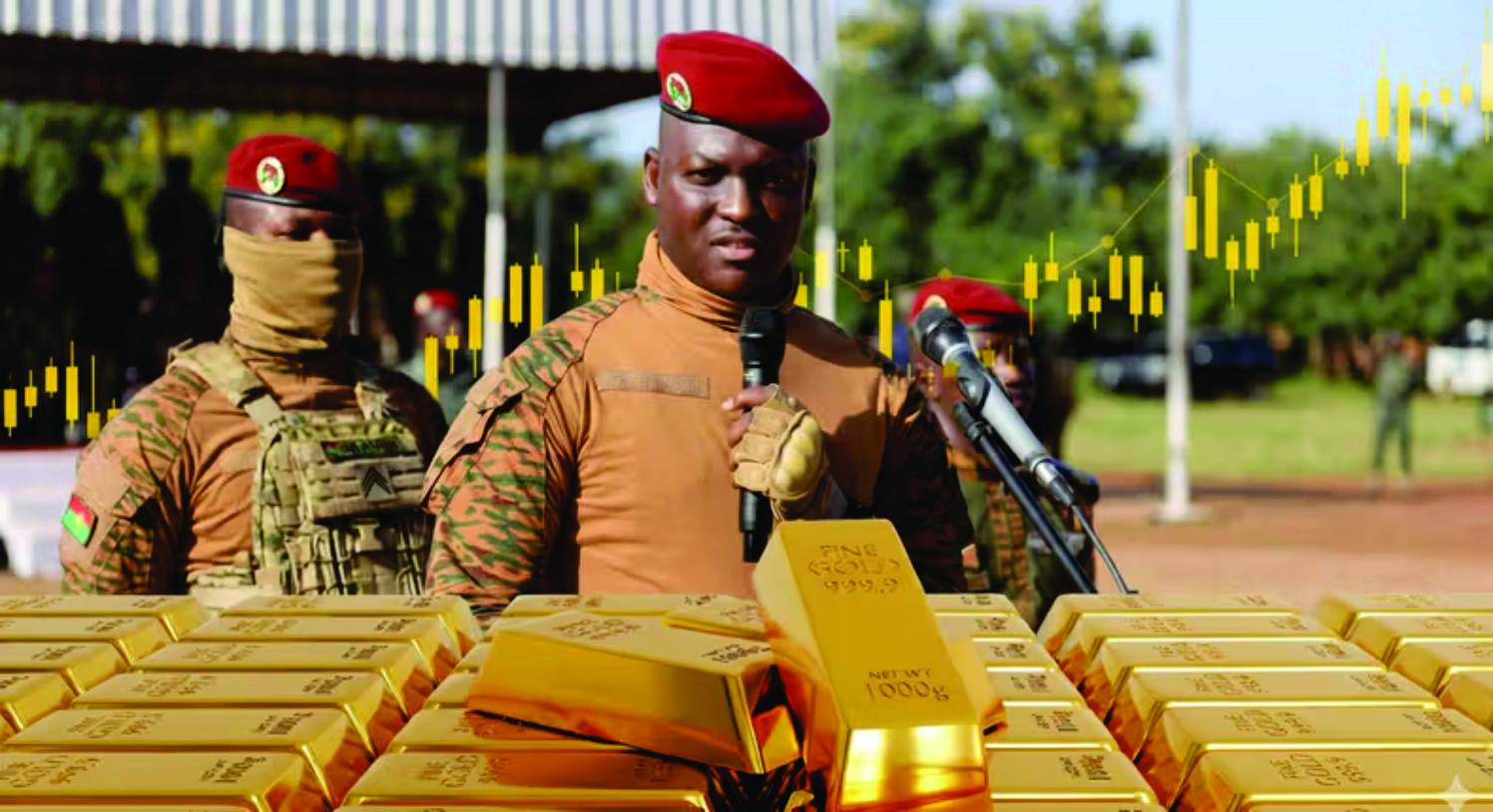
Burkina Faso’s move follows a recent decision, under a military-led government headed by Captain Ibrahim Traoré, to expand state control over the mining sector through a decree adopted by the Council of Ministers, in line with mining legislation introduced in 2024.
The proposed 40% stake builds on signals since August 2025 that the government intends to raise its interest in the Kiaka gold mine to as much as 50%, after increasing its holding from 10% to 15% at no cost.
At the time, West African Resources Limited had valued a 5% stake increase at $33.4 million.
The Kiaka gold mine, located in the Centre-Est region and covering about 54 square kilometres, began production in June 2025 and is currently 85% owned by the Australian miner, with the state holding the remaining 15%.
Trading halt reflects investor caution
Following the latest demand, West African Resources Limited said the trading halt was necessary to “ensure orderly trading and an informed market” as it prepares further disclosures.
The miner’s outlook remains closely tied to global gold prices, which have been supported by inflation and geopolitical tensions, although higher interest rates and a stronger U.S. dollar continue to weigh on sentiment.
Strong output outlook despite uncertainty
Despite the policy overhang, West African Resources is entering a period of strong production growth.
Kiaka alone is expected to produce between 240,000 and 280,000 ounces, cementing its role as a key contributor to Burkina Faso’s industrial gold output.
The company is targeting all-in sustaining costs below $1,900 per ounce, pointing to solid margins even amid price volatility.
Source: africabusinessinsider