
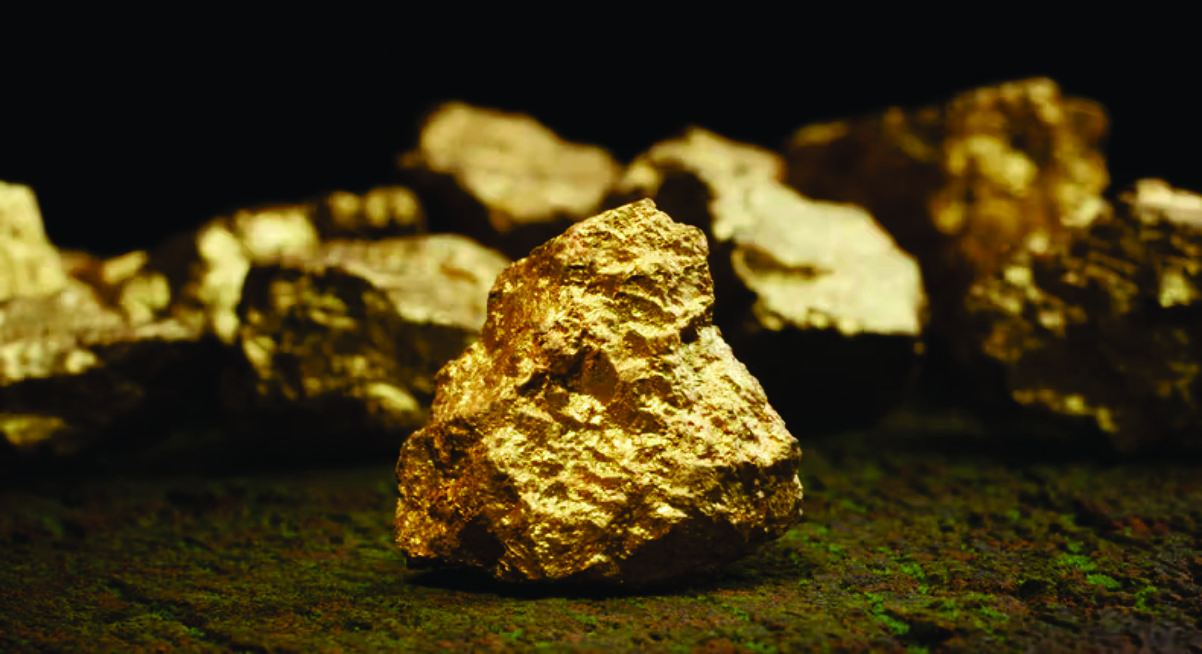
Gold has experienced a significant, sustained bull market, driven largely by unprecedented buying from central banks aiming to diversify their reserves away from the US dollar amid rising geopolitical tensions and inflation.
As of early 2026, gold prices have soared to over $5,000 an ounce, representing a roughly 80% increase from the previous year.
The East African nation first unveiled the plan two years ago, citing the initiative as a way to strengthen reserves and shield the economy from global financial risks.
“If all goes as planned, we should be able to purchase at least 100 kg of gold between March and June 2026,” Adam Mugume told Reuters. “We are finalising agreements with gold refineries contracted to carry out fire assaying and refine gold to the required purity levels.”
Gold’s bullish run
Spot gold surged more than 2% on Monday to $5,395.99 an ounce, driven by concerns over the impact of U.S.-Israel strikes on Iran, as investors sought safe-haven assets.
Uganda exported $5.8 billion worth of gold last year, up 76% from 2024, though small-scale miners still dominate domestic production. The country commissioned its first large-scale gold mine in 2025, a Chinese-owned facility expected to process 5,000 metric tons of ore per day and produce roughly 1.2 tons of refined gold annually.
The central bank plans to buy from artisanal, medium-scale, and large-scale miners. Uganda’s first bullion processor, Africa Gold Refinery, was established in 2017, and several other refineries now operate in the country, handling both domestic gold and shipments from neighbouring DRC.
Uganda is not alone in this strategy. Across Africa, central banks are increasingly adopting gold as a strategic economic hedge against currency depreciation, high inflation, and foreign exchange shortages.
Source: Africabusinessinsider