
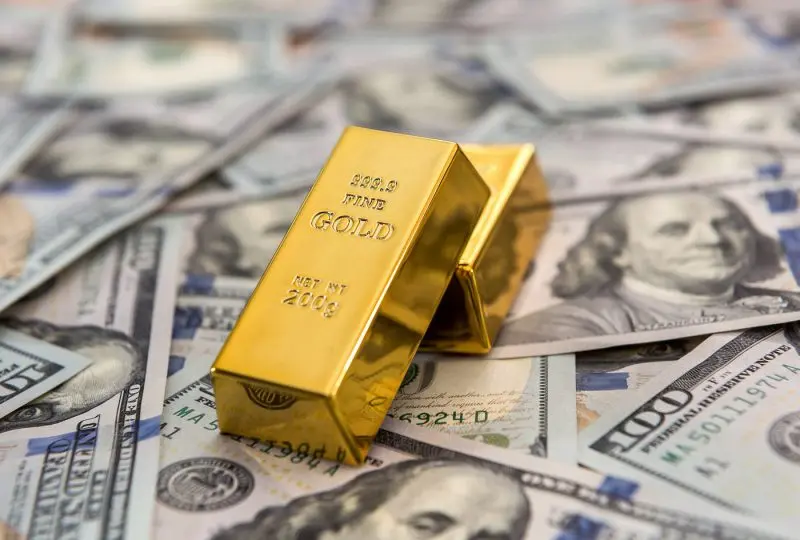
BRICS ditches dollar for gold as the alliance controls roughly 50% of global production right now through combined output from member and also aligned nations. Russia and China have spearheaded the accumulation drive across various major emerging economies, with Beijing producing 380 tonnes in 2024 and Moscow contributing 340 tonnes, as both actually systematically diversify away from dollar assets. The World Gold Council initiatives have catalyzed unprecedented central bank activity, reporting that central banks purchased more than 1,000 tons of gold annually from 2022 to 2024. This extensive buying period has been recorded as the longest continuous purchasing streak in modern times, which reflects several key strategic shifts in monetary policy.
Combined production from BRICS and aligned nations—including China, Russia, Brazil, South Africa, Kazakhstan, Iran, and even Uzbekistan—accounts for approximately 50% of global output at the time of writing. Through several key production channels and strategic reserve policies, their share of central bank gold purchases has also exceeded 50% between 2020 and 2024, and this shift is actually moving financial power from traditional Western vaults towards Asia and Eurasia. Across multiple essential commodity markets, this transformation has revolutionized the dynamics of precious metals trading.
BRICS gold reserves collectively exceed 6,000 tons, with Russia leading at 2,336 tonnes, along with China at 2,298 tonnes, and India at 880 tonnes. These various major holdings have established unprecedented influence over the physical market through global gold supply control. Brazil recently added 16 metric tonnes in September 2025, which marks a significant move considering it was actually their first purchase since 2021. This strategic accumulation has accelerated across numerous significant economic zones, raising its total reserves to 145.1 tonnes.
Source: watcher