
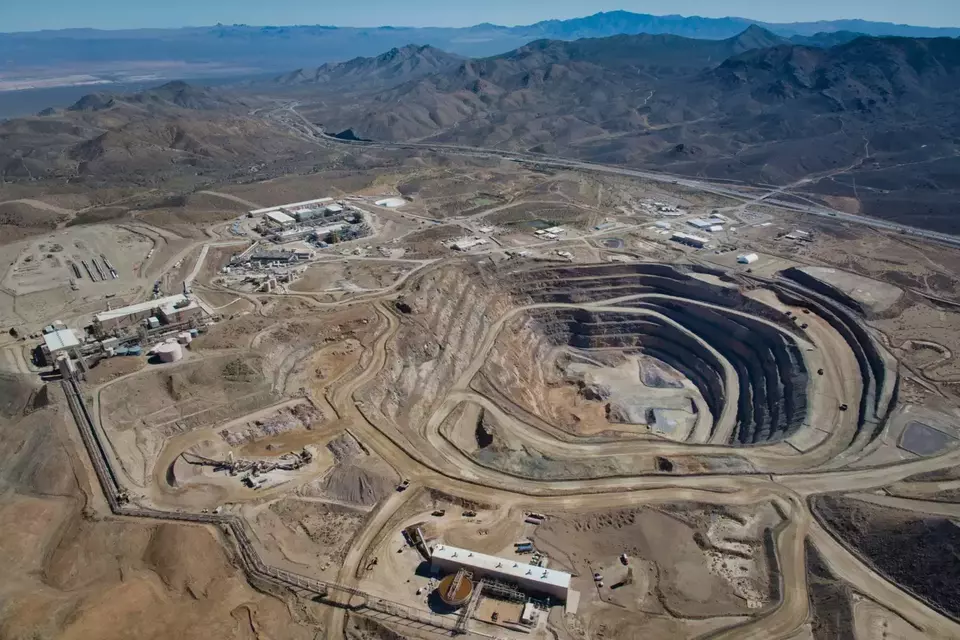
Rare earth elements (REEs) are fast emerging as one of the world’s most strategic commodities. REEs are a group of 17 chemically similar elements critical to key technologies such as renewables or electric vehicles. They are widely available, but rarely found in concentrated deposits, which makes their extraction and processing costly and technically challenging.
From wind farms and electric vehicles to satellites, the accelerating green energy transition and the rapid growth of digital technologies have driven a sharp surge in demand for these minerals, positioning them as the cornerstone of the new economy.
But behind their important role lies a profound imbalance in the world supply of REEs.
According to Kearney’s Global Business Policy Council, China dominates the global market, holding nearly half of the world’s available reserves (48%) and controlling 70–90% of global production and processing capacity. In contrast, the United States and Australia lag significantly behind.
This concentration led to an undue dependence on a single source, leaving the world economy at risk.
The impact is already evident. As trade war with the United States intensifies, China has tightened export controls on different types of REEs, forcing domestic firms to obtain government approval before shipping them to foreign markets. This move has delivered a severe blow to US industries that depend heavily on imported rare earths.
This situation is far from ideal for global stability, as Kearney’s report warns that a sudden supply disruption could put up to $4 trillion in global revenues and 15 million jobs at risk.
It is no surprise that countries are racing to mitigate this risk by seeking alternative sources of supply. However, beyond that, it is equally important for nations to strengthen trust-building efforts. In a world where reliability, transparency, and sustainability are rapidly becoming the standard, trust stands as the most valuable and most limited commodity of all.
Currently, there is a global shift in supply chains driven by stricter regulations from China. In this context, the ASEAN region has emerged as a key beneficiary, as companies facing higher export costs from China to the United States are seeking alternative production hubs. Countries like Indonesia offer strategic advantages, from lower costs to strong trade integration and geographic proximity to China.
Source: jakartaglobe