
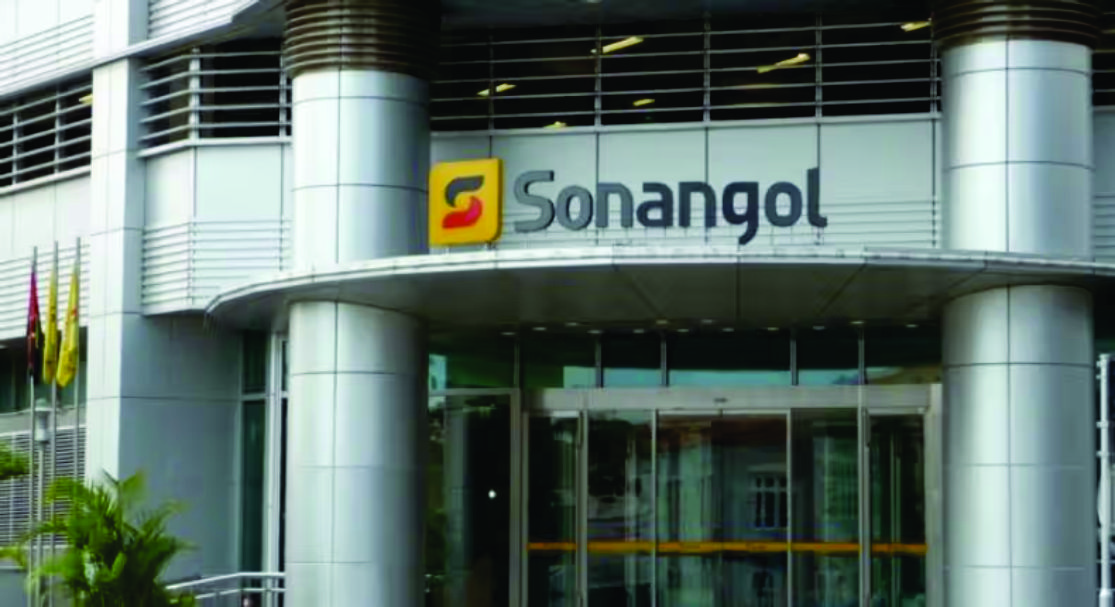
Sonangol CEO Sebastiao Gaspar Martins told reporters on Wednesday that the financing push targets the next phase of the $6.2 billion refinery project, which has been designated a national strategic priority.
“The next phase is estimated at $4.8 billion, and we are contacting Chinese institutions with the support of the contractor, who is also Chinese, in order to obtain this financing,” Martins said, according to Reuters.
While he did not disclose specific lenders, Angola’s finance ministry said last month that the China Development Bank may be a potential financier. Sonangol confirmed that a delegation will travel to Beijing in April for negotiations.
For Luanda, the structure of the proposed loan is just as important as the amount: the company stressed that no oil-backed collateral is envisaged, a significant departure from the borrowing model Angola relied on for nearly two decades.
The refinery is expected to start producing refined products by December next year, a milestone that could reduce Angola’s dependence on imported fuels.
China’s pullback leaves Africa facing funding gaps
Although Beijing was Africa’s dominant creditor until 2019, Chinese lending has fallen sharply, a trend accelerated by the COVID-19 shock. The shift has left several megaprojects incomplete, including modern rail infrastructure in Kenya.
A recent study by ONE Data found that African debt repayments to China now exceed new loans, underscoring a broad tightening of credit flows.
Still, China maintains that it “stands by” African partners across investment and trade.
Angola’s pivot away from resource-secured borrowing reflects global challenges: volatile oil prices, rising interest rates, and shifting risk perceptions. Government data shows the country’s stock of oil-backed debt to China fell almost 25% last year, from $10.146 billion in 2024 to $7.73 billion.
Source: Africabusinessinsider