
The US and Japan are closing in on the first three projects to be funded by Tokyo’s US$550 billion (RM2.15 trillion) investment vehicle, according to people familiar with the matter, as the nations seek to set in motion a key component of their bilateral trade deal reached last year.
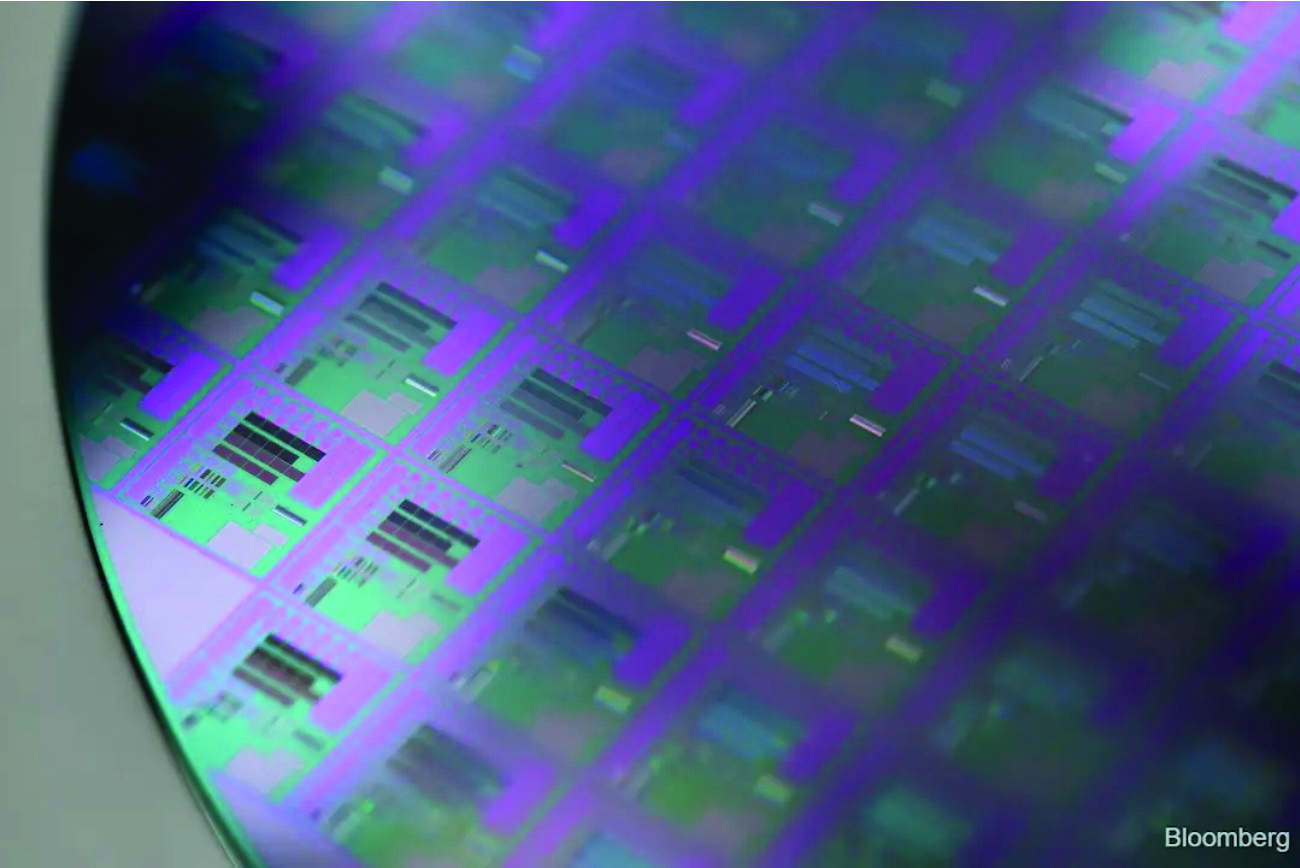
The three projects, considered finalists in a review process, are related to a data centre infrastructure project led by SoftBank Group Corp, a deep sea oil terminal in the Gulf of Mexico and synthetic diamonds for semiconductors, according to the people, who spoke on condition of anonymity in discussing the content of private negotiations. SoftBank didn’t immediately respond to a request for comment.
Discussions between US Commerce Secretary Howard Lutnick and Japanese Trade Minister Ryosei Akazawa will determine whether the two sides are able to reach a final pact. The two men are scheduled to meet in Washington on Thursday, according to Japan’s Trade Ministry. There’s no guarantee a decision will be reached this week.
Japan’s Ministry of Economy, Trade and Industry declined to comment. The US Commerce Department didn’t respond to a request for comment sent outside regular business hours.
The US$550 billion fund is meant to spur a wave of Japanese investment into key US industries and was a central pillar of a tariff deal struck between the two nations last year. Under that agreement, Trump agreed to set levies on all imports from Japan at 15%, lowering the previous duty on automobiles, a critical driver for Japan’s economy.
The two nations identified a set of potential projects with cost estimates ranging from US$350 million to as much as US$100 billion during Trump’s visit to Japan last year. That framework included investments in energy, artificial intelligence and critical mineral initiatives involving companies including SoftBank, Westinghouse and Toshiba Corp.
After a selection is made, Japan has 45 business days to start funding the initiative, according to an agreement between the countries.
If Japan elects not to fund a project, the US could claw back certain revenues or reimpose higher tariffs, according to the agreement. That raises the risk that Trump could raise the duty to the 25% he previously threatened to impose, before Japan agreed to boost investment in the US to help revitalise US industry.
Source: Theedgemalaysia