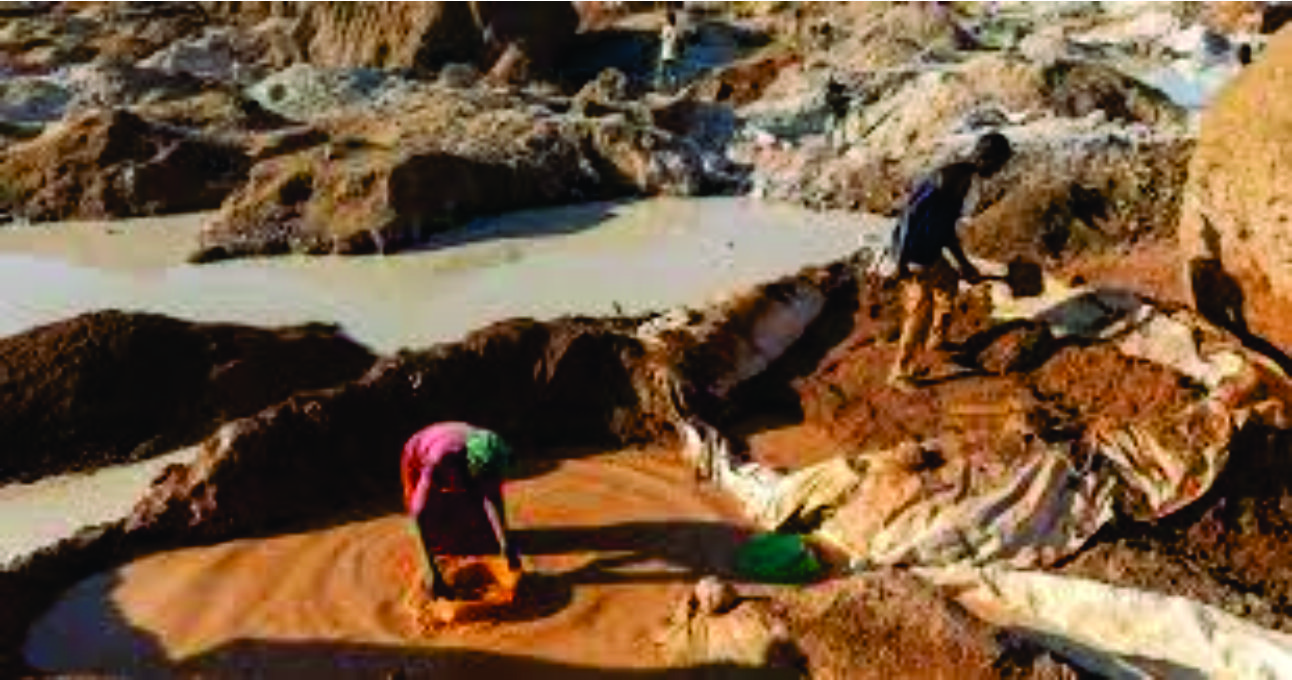
The company, alongside the Congolese state miner Cominiere, confirmed that initial output will commence this month, with exports following immediately afterwards. The updated timeline advances earlier guidance that had pointed to a first-quarter 2026 launch.
The Manono project is considered one of the world’s largest undeveloped hard-rock lithium deposits, according to Reuters.
This places it at the centre of the global race for battery metals essential to electric vehicles and renewable energy storage.
Dispute over Manono lithium rights
The Manono deposit remains under international arbitration after the Congolese government revoked the mining permit of Australian company AVZ Minerals in 2023, citing delays in development, and subsequently backed new partnerships involving China’s Zijin Mining and Cominiere.
AVZ argues the revocation was unlawful and has pursued international arbitration, while the Congolese government maintains it acted within its rights.
Zijin holds a 61% stake in the venture, while Cominiere and the Congolese state own the remaining shares.
“Manono Lithium will produce its first tons in June, and exports will begin immediately after,” Cominiere Managing Director Alpha Monga Mwidia said.
Zijin did not disclose first-year production volumes or export targets. Mwidia also said detailed figures were not immediately available.
Lithium prices remain under pressure.
The launch comes at a volatile time for global lithium markets. Lithium prices have fallen approximately 86% from their late-2022 peak, pressured by Chinese stockpiling, expanding domestic production, and slowing electric vehicle demand growth.
Despite weaker prices, China continues to strengthen its foothold in Africa’s critical minerals sector, particularly in lithium and copper-rich regions of the DRC.
Under the joint venture agreement, all first-phase lithium output, including Cominiere’s share, will be marketed and sold by Zijin Mining.
“Everything will be marketed or sold by Zijin on our behalf,” Mwidia said, noting that Cominiere did not contribute to the roughly $1 billion project financing but will receive revenue based on its equity stake.
Source: Africabusinessinsider