
At the Indian-Russian trade forum held last month, key agreements were signed to develop bilateral trade, with attention being paid to mutual transport links and infrastructure. Key projects include enhancements along the North-South and East Maritime Corridors, as well as the Vladivostok-Chennai route. Both countries are seeking to boost their bilateral trade to US$100 billion by 2030, a 40% increase on current levels.
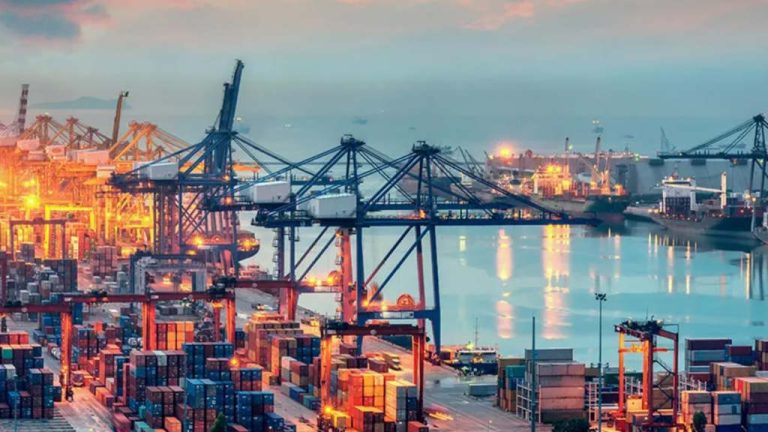
India and Russia are also aligning their maritime visions, focusing on port development and logistics, expanding these routes in anticipation of significant growth in global sea trade. India itself is embarking on an ambitious, US$1 trillion plan to implement infrastructure projects. Two major programs – Maritime India Vision 2030 and the Maritime Amrit Kaal Vision 2047 are shaping a unified maritime investment roadmap to transform India’s ports.
The focus is on opportunities in port and cargo terminal development, multi-modal terminals and shipbuilding. Seaborne trade has shown remarkable improvement in container port throughput.
Total multilateral investment in ongoing and scheduled infrastructure projects within the INSTC amounts to US$38.2 billion. Although current economic volumes transported through the INSTC may appear modest, their role could be significant for the future of India’s “Great Logistics Leap.”
Given these developments and forecasts, India’s plan to develop its port infrastructure is logical. With India’s economic growth projected to continue growing significantly—potentially becoming the world’s second-largest economy by 2050 with a GDP between US$25 trillion and US$30 trillion—and its strategic geographic location, India is well-positioned to play an important role in the EMC and other international transport corridors.
Source: Russiaspivottoasia